

The Art of the Dog Hello: How to Introduce Your Pup to New Friends Without the Drama
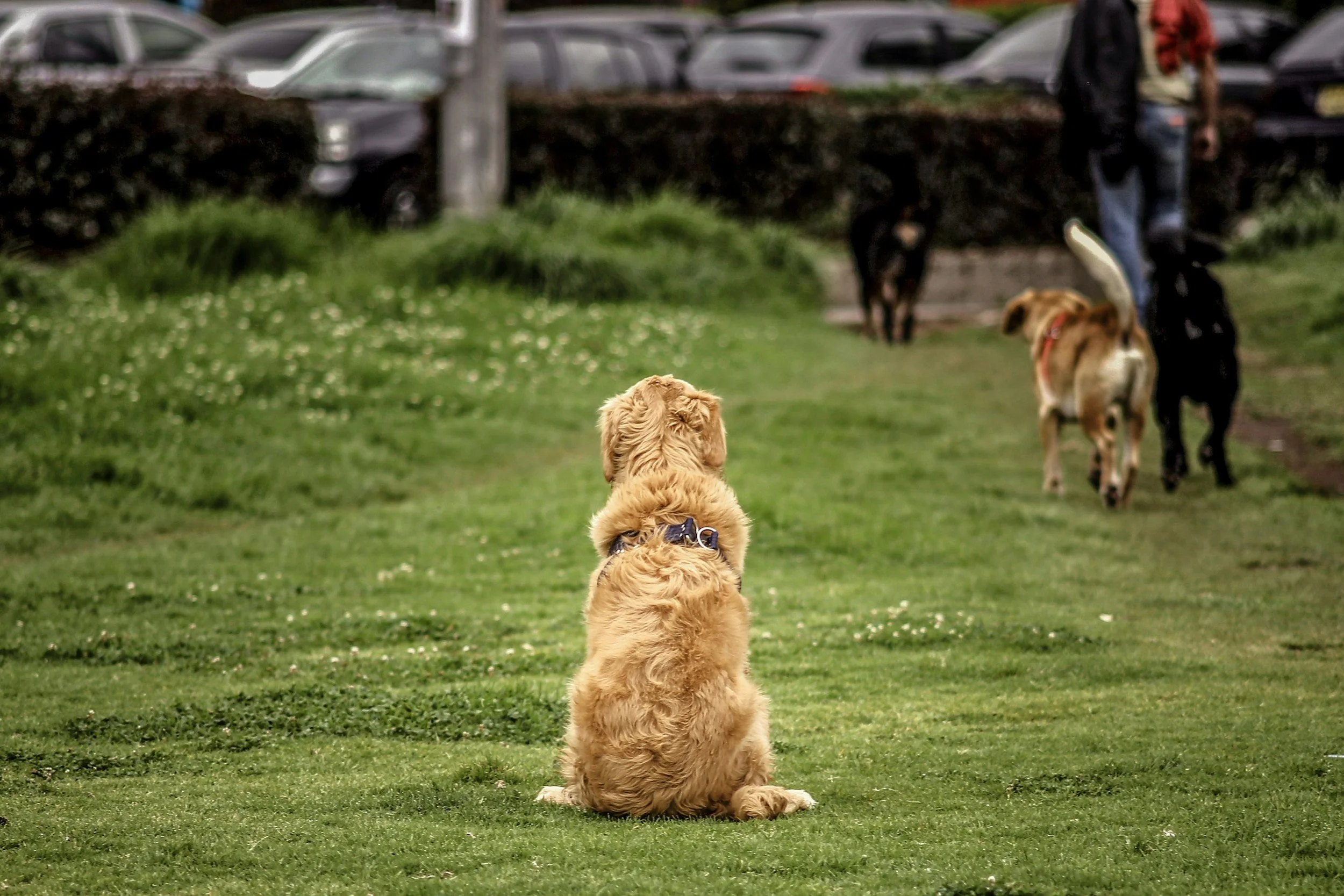
Dog park in Sandy Springs, Ga after a meet and greet.
We have all seen it happen at the local park. Two dogs spot each other from a distance, their leashes tighten, and what could have been a friendly greeting quickly turns into a chorus of tense barks and lunges. For pet parents, managing introductions can feel like walking a tightrope. However, learning how to guide your dog through a calm, polite greeting is one of the most rewarding skills you can develop.
By understanding basic canine etiquette, you can transform stressful sidewalk encounters into moments of confident socialization.
The Problem with the "Face-to-Face" Greeting
When humans meet, we naturally walk straight toward each other and look eye-to-eye. For dogs, this direct, head-on approach is actually considered rude and occasionally threatening. In the canine world, a polite introduction is always curved.
When two balanced dogs meet naturally off-leash, they will walk in a slight arc, approaching each other from the side to sniff the hip and tail area first. Forcing your dog into a tight, straight-line greeting on a short leash removes their ability to use this natural body language, which often triggers an anxious or defensive reaction.
Reading the Green Lights and Red Lights
Before you ever let your dog approach another pup, you must learn to read the subtle shifts in their posture. A dog’s body language will tell you exactly how the interaction will go before the noses even touch.
Green Lights (Go Ahead): A relaxed, curving body, a low and loose tail wag, soft eyes, and a willingness to look away from the other dog.
Yellow Lights (Proceed with Caution): A freeze in movement, a tail held high and vibrating, or an intense, unblinking stare. This means your dog is hyper-focused and needs a little extra distance to calm down first.
Red Lights (Stop and Step Back): Growling, showing teeth, a stiff posture with weight shifted forward, or hard lunging. If you see these signs, simply turn around and walk in the opposite direction without making a fuss.
The Three-Second Rule for Polite Sniffing
If both dogs are showing relaxed, positive body language, you can allow them to greet using the three-second rule. This simple technique keeps greetings short and sweet, preventing excitement from bubbling over into frustration.
Count to Three: Allow the dogs to investigate each other’s sides and tails while keeping the leashes completely loose.
Call Them Away: After three seconds, cheerfully call your dog’s name and invite them to move away with you.
Reward the Success: Offer a high-value treat or enthusiastic praise for breaking attention and moving away calmly.
Keeping the initial interaction brief ensures that the experience ends on a positive note, building your dog's confidence for the next encounter.
Parallel Walking: The Ultimate Socialization Secret
If you are introducing your dog to a new friend’s pup for a planned playdate, avoid the traditional backyard face-off. Instead, start with a parallel walk.
Begin by walking in the same direction on opposite sides of the street. This allows the dogs to catch each other’s scent and get used to each other’s movement without the pressure of direct physical contact. As both dogs relax, you can gradually decrease the distance between you until you are walking side-by-side. By the time you finally let them interact, the initial excitement has worn off, leading to a much calmer introduction.
Practice Makes Perfect with Professional Support
Socialization is a continuous journey that requires consistency. If you are busy at work or traveling, maintaining a structured routine can be a challenge. Enlisting the help of a dedicated professional service, such as Sandy Springs Pet Sitting, ensures your dog stays on track with their outdoor manners. A professional dog walker can reinforce loose-leash walking and calm focus during daytime outings, keeping your pup's social skills sharp even when you are away from home.
Conclusion: Setting Your Pup Up for Success
Helping your dog navigate the social world does not mean they have to be best friends with every dog they see on the sidewalk. True success is a dog that can acknowledge another animal and remain calm, cool, and collected. By advocating for your dog’s personal space and using structured introduction techniques, you are helping them become the most confident version of themselves.